
Is it spring yet? This bugs in the grass sensory bin is a simple, engaging way to bring spring learning indoors.
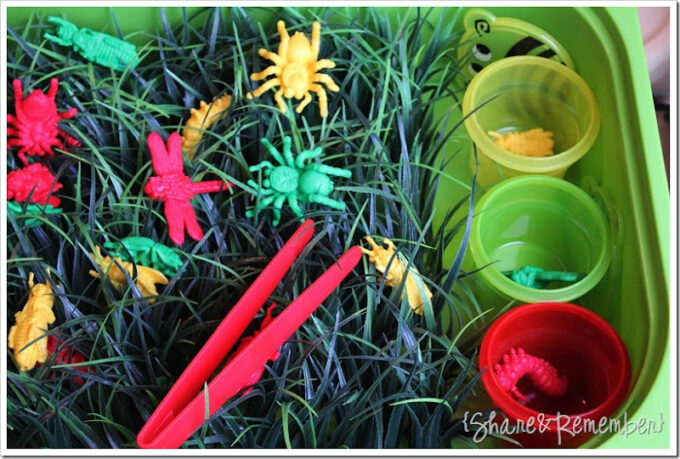
With just a few materials—grass, toy insects, cups, and tongs—you can create a hands-on invitation that supports fine motor development, sorting, and imaginative play.
This activity has always been a favorite because it’s easy to set up and children immediately know what to do—explore, discover, and play.
This type of sensory play encourages children to investigate and manipulate materials, which supports early learning through hands-on experiences.
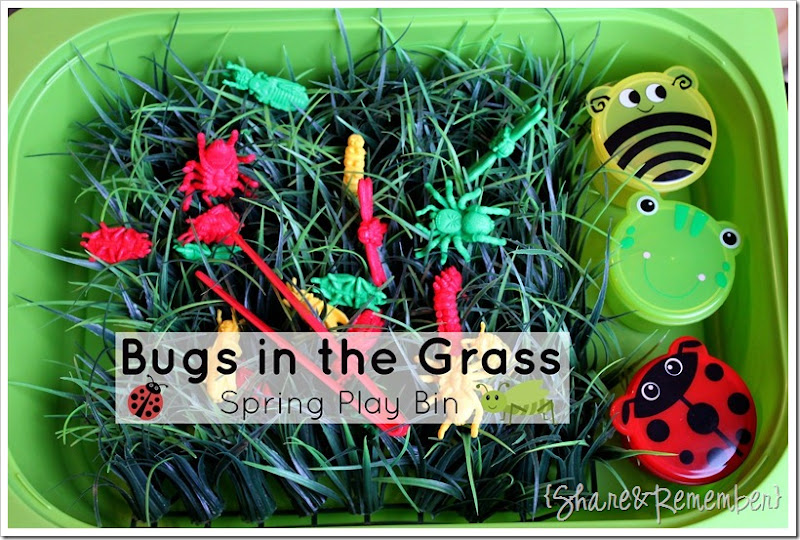
Why a Bug-Themed Sensory Bin Works
A bug sensory bin connects naturally to spring themes like:
- Nature and outdoor exploration
- Life cycles and insects
- Gardening and habitats
Children are naturally curious about bugs, which makes this activity especially engaging.
You’ll notice:
- Focus and concentration increase
- Language development through conversation
- Problem-solving and sorting skills
Supplies for Your Bugs in the Grass Sensory Bin
Keep it simple and flexible:
- Sensory bin or tray
- Artificial grass mat (or shredded paper/green filler)
- Plastic bugs or insect counters
- Small cups or containers (different colors work great)
- Tongs, tweezers, or scoops
Optional additions: Small bug houses or containers
How to Set Up the Sensory Bin
- Place your grass or green filler in the bottom of the bin
- Scatter bugs throughout the “grass”
- Add cups and tools for collecting
- Invite children to explore
That’s it. Simple setups like this are often the most engaging.
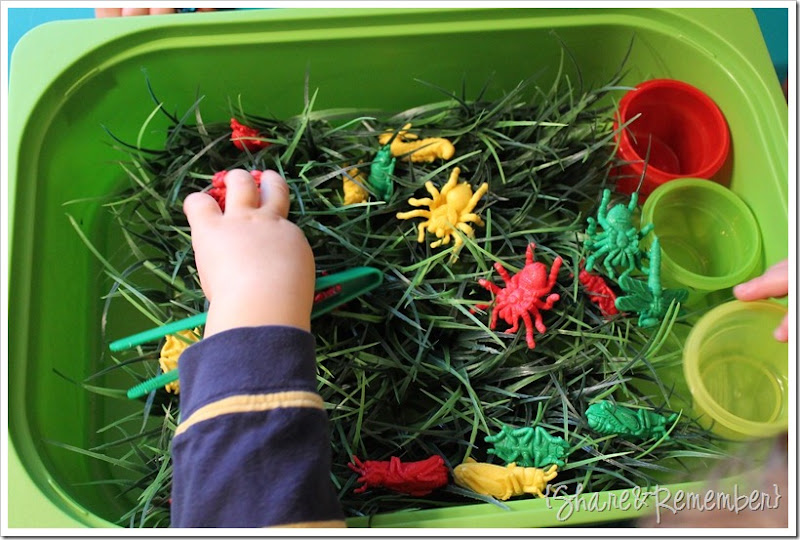
Ways Children Can Play and Learn
This sensory bin naturally encourages a variety of skills:
Fine Motor Development
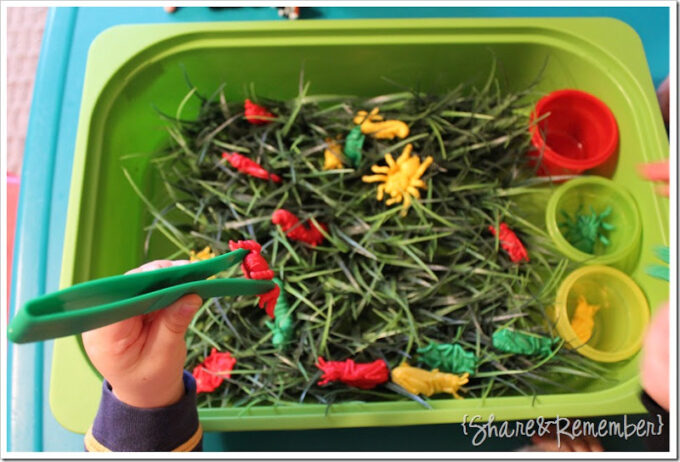
Using tongs and tweezers strengthens hand muscles needed for writing.
Sorting and Math Skills
- Sort bugs by color
- Count how many are found
- Group by type or size
Language Development
Ask open-ended questions:
- “What bug did you find?”
- “Where do bugs live?”
- “Which ones can fly?”
Imaginative Play
Children may create stories:
- Bugs hiding in the grass
- Building homes or habitats
- Acting out bug movements
Easy Extensions to Add More Learning
Take this simple bin a step further:
Literacy connection
- Label cups by color or bug type
- Match bugs to printed cards
Add science exploration
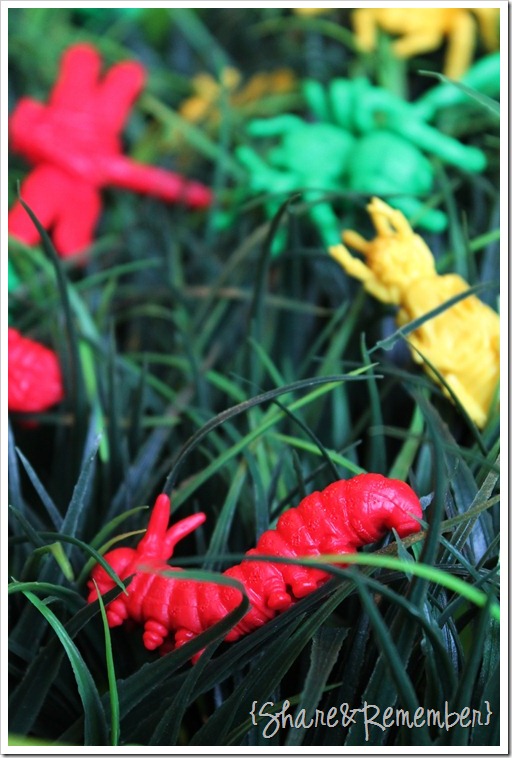
- Compare real vs. toy bugs
- Talk about habitats
Sensory variety
Spray lightly with water for outdoor play. Mix in dirt, sand, or shredded paper.
Outdoor Version Idea
If weather allows, move this activity outside.
You can:
- Use real grass
- Add soil for digging
- Observe real bugs nearby
Outdoor play adds a whole new level of sensory experience and discovery.
Why Sensory Play Matters
Sensory bins like this one support early learning in meaningful ways:
- Builds fine motor strength
- Encourages independence
- Supports focus and engagement
- Provides calming, hands-on exploration
Simple activities often lead to the richest learning.
Creative Outdoor Sensory Play! | Colors Are Magic
Friday 15th of April 2016
[…] Bugs in the Grass by Things to Share and Remember […]
Melissa
Wednesday 19th of February 2014
I love this! Thanks for sharing. Now to find a cheap grass mat :)
Lisa Chenoweth
Monday 24th of February 2014
I just found these grass mats at Dollar Tree in the Easter section.
Keila
Wednesday 19th of February 2014
where can I buy this.?????
Stacy
Wednesday 19th of February 2014
The grass mat? I bought it Hobby Lobby last spring. See in the post above, a link to the insects and other sources. Thanks!
A Lovely Little Addiction
Thursday 11th of April 2013
How cute, very creative!! Defiantly going to have to make this for my 3 year old. Thanks for sharing